
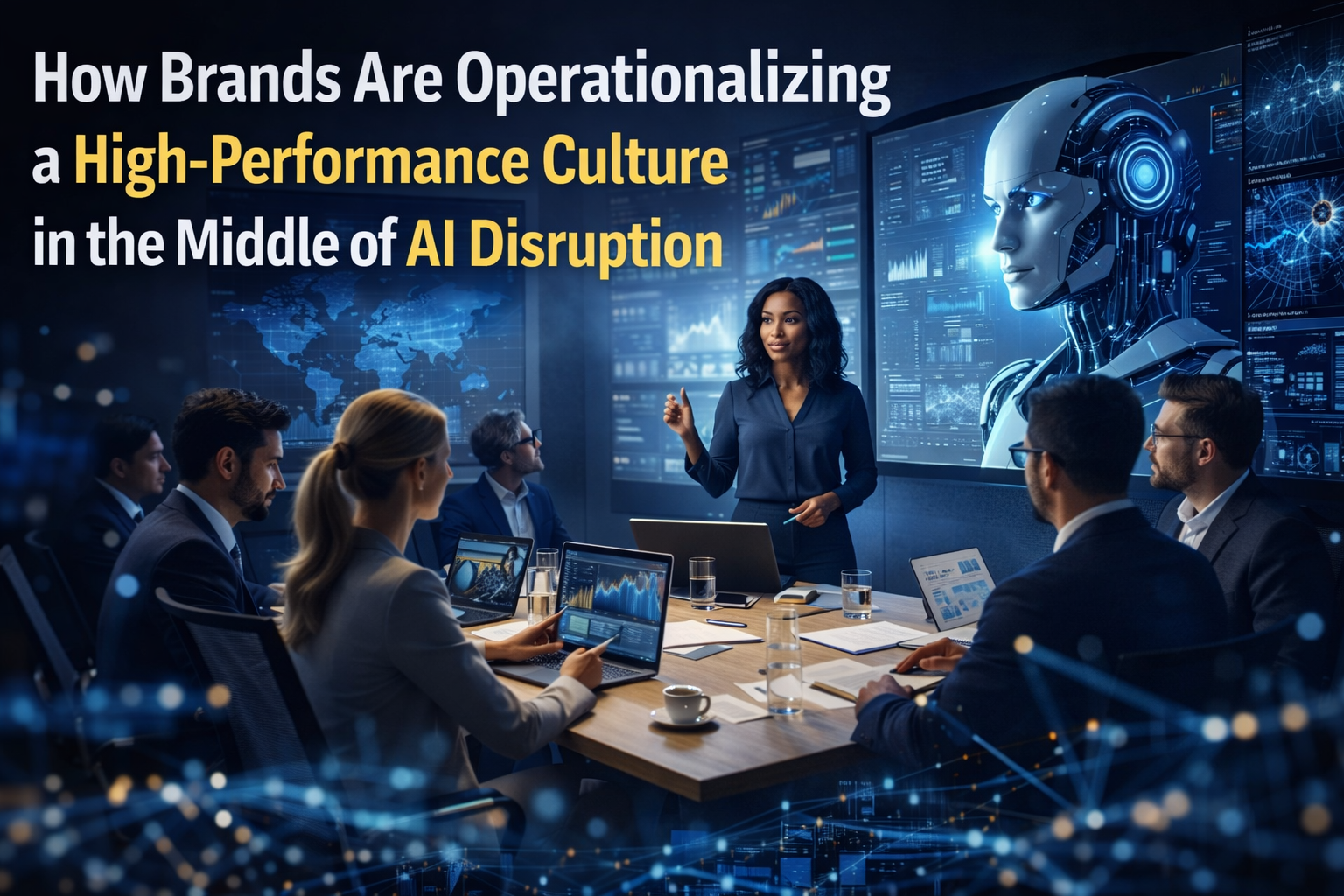
In today’s fast-evolving world, the intersection of artificial intelligence (AI) and corporate culture has become a battleground for market leadership. Brands that successfully operationalize a high-performance culture amidst AI disruption are not just surviving—they are thriving. But what does it truly take to cultivate this level of excellence when technology is moving faster than traditional management practices?
The challenge is twofold. On one hand, AI is transforming decision-making, automating routine tasks, and providing insights that were previously unimaginable. On the other hand, human potential—the creativity, resilience, and emotional intelligence of teams—remains the differentiator that AI cannot replicate. Brands that understand how to align these forces gain a strategic advantage that competitors struggle to match.
Creating a Clear Vision That Inspires Action
A high-performance culture begins with a clear and compelling vision. Leaders must articulate not only what the organization wants to achieve but also why these goals matter in the AI era. Employees need to see their role in the bigger picture, and the integration of AI should be framed as an opportunity to enhance human potential, not a threat.
Companies like leading technology firms have shown that vision without execution is empty. They implement structured frameworks that translate AI strategies into actionable initiatives for every team member. The result is a culture where performance expectations are transparent, measurable, and connected to the organization’s mission.
Embedding AI as a Catalyst, Not a Replacement
High-performing organizations do not view AI as a replacement for people; they see it as a tool to amplify performance. This means investing in AI literacy across the workforce, offering training programs that teach employees to work alongside AI systems, and creating processes where AI insights inform—but do not dictate—human decision-making.
Leaders who fail to embrace this mindset risk creating fear, resistance, and stagnation. Conversely, those who operationalize AI as an empowering resource see faster innovation cycles, better problem-solving, and stronger employee engagement.
Data-Driven Accountability With Emotional Intelligence
Operationalizing high-performance culture requires marrying data-driven accountability with emotional intelligence. Metrics, KPIs, and performance dashboards are essential to track progress, but they must be balanced with empathy, trust, and recognition. Teams that feel understood and supported are more likely to take calculated risks, innovate, and embrace AI as a partner in achieving extraordinary outcomes.
High-performance culture is not about endless monitoring or rigid hierarchies. It is about creating a feedback-rich environment where employees receive real-time insights, celebrate wins, and learn quickly from setbacks.
Leadership That Inspires Continuous Growth
In the age of AI disruption, leadership is the glue that binds human potential and technological advantage. Leaders must model adaptability, curiosity, and resilience. They need to challenge teams to stretch beyond comfort zones, reward experimentation, and foster a sense of purpose that fuels relentless growth.
Organizations that operationalize these principles see measurable results: faster project completion, higher customer satisfaction, and stronger employee retention. Leadership, in this sense, becomes the engine that drives a culture capable of navigating disruption without losing its humanity.
Urgency to Act: The Time Is Now
The reality is that AI disruption is accelerating. Brands that delay operationalizing high-performance culture risk losing top talent, falling behind competitors, and missing opportunities that could define their market position for years to come. Waiting is not an option. Action must be intentional, immediate, and bold.
Invest in AI training, create clear performance frameworks, and instill emotional intelligence in leadership practices today. Each moment delayed is a missed chance to transform potential into performance, and vision into reality. The future belongs to brands that combine the power of technology with the unstoppable drive of human capability.