
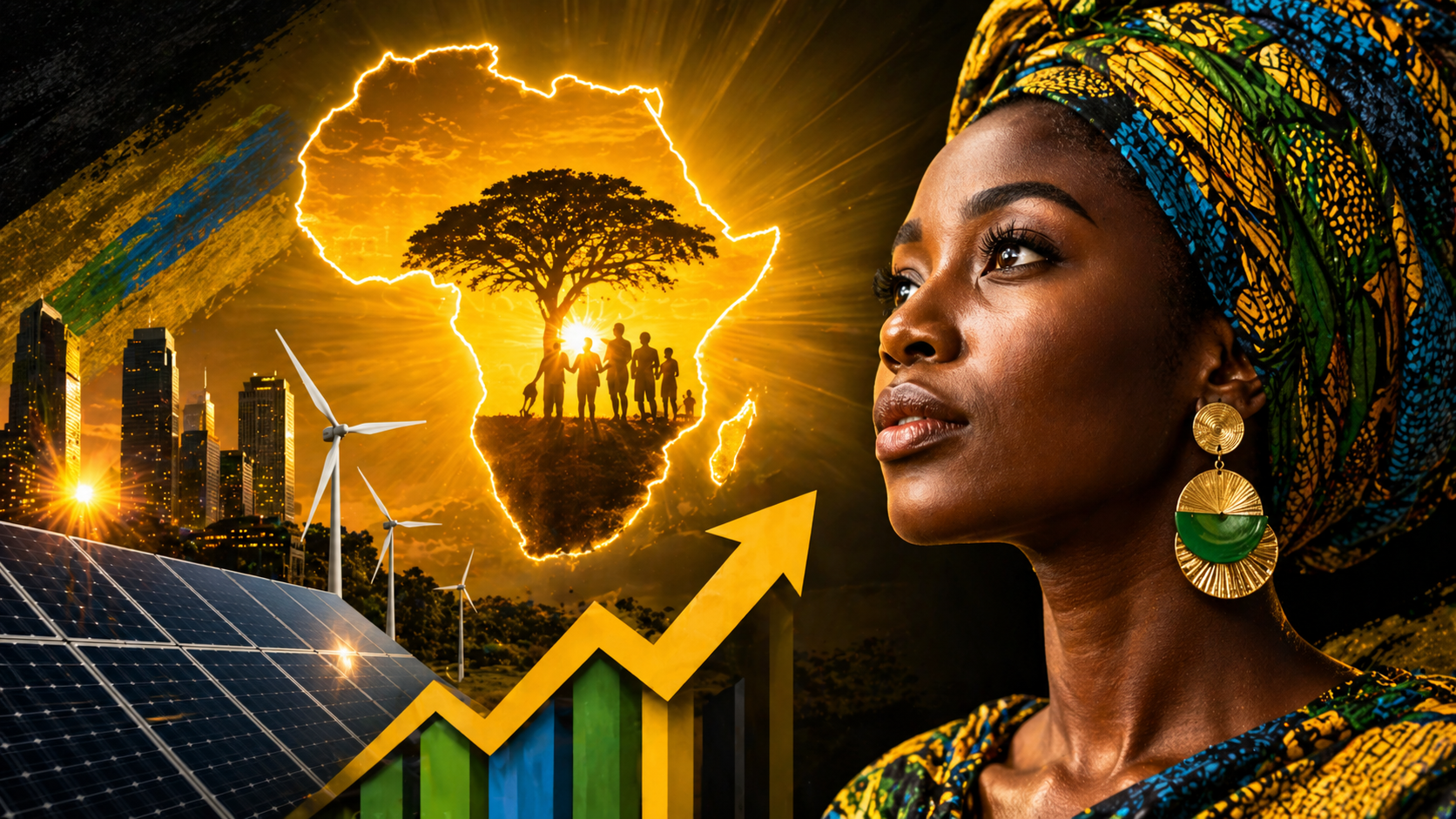
Africa’s Power Shift: A Defining Moment That Cannot Be Ignored
Africa stands at a crossroads. A continent rich in natural resources, culture, talent, and untapped potential continues to struggle with controlling its own systems—economic, political, technological, and social. The urgency is real. The stakes are high. And the time to act is now.
For decades, Africa has operated within frameworks shaped by external forces—colonial legacies, foreign economic dependencies, and global systems that often prioritize extraction over empowerment. But today, a new narrative is emerging. One that demands control. Ownership. Sovereignty.
This is not just a discussion. This is a call to action.
Why Africa Must Take Control—Now More Than Ever
Every system Africa does not control becomes a system that controls Africa.
From currency dependency to data exploitation, from imported policies to outsourced innovation, the continent faces a critical question: Who truly owns Africa’s future?
The answer must shift—from “others” to “Africa itself.”
If Africa fails to take control now, it risks:
- Losing its youth to unemployment and migration
- Remaining a supplier of raw materials instead of finished goods
- Falling behind in the global digital economy
- Becoming increasingly vulnerable to external political and economic pressures
But if Africa rises—strategically and decisively—it can become one of the most powerful forces of the 21st century.
1. Economic Sovereignty: Break the Chains of Dependency
Africa cannot control its future without controlling its economy.
Key Actions:
- Promote Intra-African Trade: Strengthen regional trade agreements and reduce reliance on foreign imports.
- Industrialize Locally: Shift from exporting raw materials to producing finished goods within the continent.
- Strengthen Local Currencies: Reduce overdependence on foreign currencies and financial systems.
- Invest in African-Owned Businesses: Build ecosystems that support local entrepreneurs and SMEs.
Urgency: Every day Africa exports raw materials without value addition, it exports opportunity, jobs, and wealth.
2. Political and Governance Reform: Leadership That Serves, Not Sells
Control begins with leadership that prioritizes the people over external interests.
Key Actions:
- Strengthen Institutions: Build transparent, accountable governance systems.
- Fight Corruption Relentlessly: Corruption is one of the biggest leaks in Africa’s control over its systems.
- Encourage Youth Participation: Africa’s young population must have a voice in decision-making.
Reality Check: Without governance reform, every other system will remain fragile.
3. Digital Sovereignty: Own the Data, Own the Future
Data is the new oil—and Africa is rich in it. But who owns it?
Key Actions:
- Develop Local Tech Infrastructure: Invest in African data centers, platforms, and innovation hubs.
- Protect Data Privacy: Create laws that ensure African data is not exploited by foreign entities.
- Support Tech Talent: Fund education and startups in AI, blockchain, cybersecurity, and software development.
Wake-Up Call: If Africa does not control its digital space, it will be digitally colonized.
4. Education and Knowledge Systems: Rewrite the Narrative
Education shapes mindset. Mindset shapes destiny.
Key Actions:
- Decolonize Curricula: Teach African history, innovation, and perspectives.
- Focus on Skills, Not Just Degrees: Prioritize entrepreneurship, technology, and problem-solving.
- Invest in Research and Development: Africa must become a producer of knowledge, not just a consumer.
Truth: A continent that does not control its knowledge cannot control its future.
5. Resource Management: From Extraction to Empowerment
Africa is one of the richest continents in natural resources—yet many of its people remain poor.
Key Actions:
- Renegotiate Unfair Contracts: Ensure resource deals benefit African nations.
- Add Value Locally: Process minerals and resources within the continent.
- Ensure Community Benefits: Local populations must gain from the resources around them.
Hard Reality: Resource wealth without control leads to exploitation, not prosperity.
6. Cultural and Media Control: Own the Story, Own the Identity
Narratives shape perception—and perception shapes power.
Key Actions:
- Invest in African Media: Tell African stories from African perspectives.
- Promote Cultural Industries: Music, film, fashion, and art are powerful economic tools.
- Challenge Stereotypes: Redefine how Africa is seen globally.
Insight: When others tell your story, they control your image. When you tell it, you control your power.
7. Strategic Partnerships: Collaborate Without Losing Control
Africa does not need isolation—it needs intelligent collaboration.
Key Actions:
- Negotiate from Strength: Enter partnerships that are fair and mutually beneficial.
- Diversify Alliances: Avoid overdependence on any single global power.
- Build African Unity: A united Africa has stronger bargaining power.
Key Principle: Partnership should never mean surrender.
The Role of Africa’s Youth: The Ultimate Game Changers
Africa’s greatest asset is not its resources—it is its people.
With over 60% of the population under 25, the youth are the driving force of transformation.
What Must Happen:
- Empower young entrepreneurs
- Invest in education and digital skills
- Create opportunities within the continent
Urgency: If the youth are ignored, Africa loses its future. If they are empowered, Africa becomes unstoppable.
A Final Call: Control Is Not Given—It Is Taken
Africa does not need permission to rise. It needs action.
The question is no longer “Can Africa take control?”
The question is “Will Africa act fast enough before the opportunity slips away?”
Every delay costs growth. Every hesitation costs power. Every compromise costs sovereignty.
This is Africa’s moment.
Not tomorrow. Not someday. Now.
Conclusion: The Future Belongs to a Self-Driven Africa
Africa gaining control over its systems is not a dream—it is a necessity. It requires bold leadership, strategic thinking, and collective action across governments, businesses, and citizens.
The path is clear:
Control the economy.
Control the data.
Control the narrative.
Control the future.
And when Africa does, it will not just rise—it will lead.